How to Choose Industrial Braided Ropes That Meet International Testing Standards
Picking the right industrial braided rope is not easy because there are many types and qualities. What really matters is whether the rope has passed important tests that show it can do the job safely. RIOOP ropes go through tests that check breaking strength, stretch, and resistance to chemicals or heat. For example, a rope used in a factory lifting heavy machines must hold a lot of weight without snapping or stretching too much. If it stretches too much, the load might drop suddenly. Another test looks at how well the rope handles rubbing against rough surfaces because in many jobs ropes are dragged or rubbed a lot. Some ropes also need to resist water or sun damage, so they last longer outdoors. A rope might look strong, but without these checks, it could fail unexpectedly. Also, ropes tested for specific jobs, like rescue or climbing, have extra rules to meet. When you choose a rope, check if it has passed tests from trusted labs or organizations. RIOOP always shares test reports to help buyers decide. Never pick a rope just by price or color; safety must come first. It’s better to spend a little more on a rope that is tested and proven than risk accidents or lost time fixing problems. Using ropes that meet testing rules means fewer surprises and smoother work every day.
How Wholesale Buyers Can Verify Industrial Braided Rope Compliance
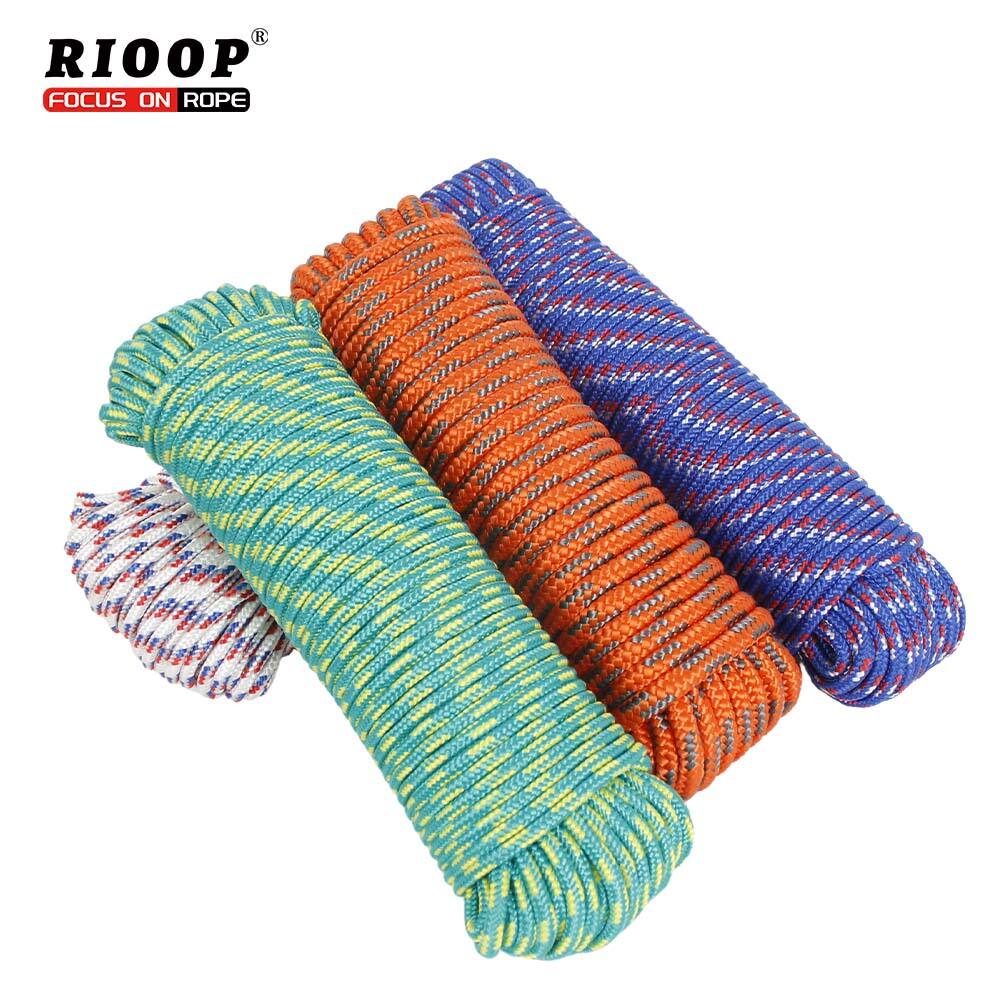
Wholesale buyers have a big job. They buy ropes in large amounts and must make sure these ropes are safe and legal to use. When a buyer chooses ropes, they cannot just trust words or pictures. They need proof. RIOOP provides clear test documents that show each batch of ropes meets all needed safety checks. These papers include information about how strong the rope is, how much it stretches, and if it resists heat or chemicals. Sometimes buyers ask for third-party tests, which means a separate company checks the ropes too. This is a good way to be sure nothing is missed. Another way buyers check is by inspecting the ropes themselves. They look for signs of poor weaving, weak spots, or wrong materials. A well-made rope from RIOOP feels right; it is uniform and smooth. If anything looks off, buyers should ask for more proof or reject the shipment. Buyers also keep track of when and where ropes were made. This helps if there is ever a problem later on. Using ropes that don’t meet rules can lead to accidents, fines, or losing customers. That’s why wholesale buyers must be careful and use all tools to verify ropes before selling or using them. It is a big responsibility but one that keeps workers safe and businesses strong. RIOOP works closely with buyers to make this easy because we want our ropes to be trusted everywhere.
What Common Testing Standards Apply to High-Performance Industrial Braided Ropes
When it comes to high-performance industrial braided ropes, it is very important to follow certain testing standards. These standards help make sure the ropes are strong, safe, and work well for different jobs. At RIOOP, we always check our ropes using these common testing rules so customers get the best quality.
One main standard covers how strong the rope must be. This is called a tensile test. It measures how much weight a rope can hold before it breaks. For industrial ropes, this is very important because they often carry heavy loads. The ropes are pulled slowly, and the force is measured until they snap. This test helps us know the exact strength of each braid.
Another important test looks at the rope’s flexibility. Industrial ropes must bend and twist without getting damaged. If a rope is too stiff, it might break or wear out quickly. Flexibility tests check how well the rope holds up after bending many times. RIOOP ropes go through these tests to make sure they last longer in tough working conditions.
Abrasion resistance is also tested. This means we check how well the rope resists rubbing or scraping. Industrial ropes often rub against rough surfaces, so they need to be tough. Testing abrasion resistance helps us find ropes that won’t fray or weaken easily. This test is done by rubbing the rope against a rough surface many times and seeing how much it wears down.
There are also tests for heat resistance and chemical resistance. Industrial ropes can face hot temperatures or chemicals that might damage them. These tests make sure the ropes can still work well even in difficult environments. At RIOOP, we carefully test our ropes for these conditions to give customers ropes that can handle almost anything.
By following these common testing standards, RIOOP ensures that our industrial braided ropes are strong, flexible, and durable. This helps workers feel safe and confident when using our ropes for different tasks.
How Testing Standards Impact the Wholesale Pricing of Industrial Braided Ropes
Testing standards play a big role in deciding the price of industrial braided ropes, especially when buying in large amounts or wholesale. At RIOOP, we understand how important these tests are not just for safety but also for pricing. When ropes meet higher testing standards, they usually cost more because it takes time, effort, and special equipment to check them properly.
One reason testing affects price is because it adds to the production cost. Each test, like checking strength or abrasion resistance, requires machines and skilled workers. These extra steps make the ropes more expensive to produce. But the good news is that these tests also ensure the ropes last longer and work better, so customers get good value for their money.
Another factor is that ropes passing strict standards are often made from better materials. These materials might cost more, but they help the rope handle tough jobs. RIOOP uses top-quality materials and follows strict testing rules to make sure our ropes are worth the price. When customers buy in bulk, they get ropes that won’t fail easily, which can save money in the long run by avoiding replacements and accidents.
Testing standards also protect buyers from poor-quality ropes. Without testing, some ropes might look fine but can break easily, causing delays and dangers at work. Ropes tested to meet standards have clear information about their strength and durability. This transparency helps buyers make smart choices and avoid wasting money on bad products.
Sometimes, customers want ropes with specific features, like high heat resistance or special flexibility. These features need extra testing, which can increase the price. RIOOP works closely with customers to find the right balance between price and performance by offering ropes tested for the exact needs of each job.
In summary, testing standards affect the wholesale price of industrial braided ropes because they add value, increase production costs, and assure quality. RIOOP’s commitment to following these standards means customers get safe, strong ropes at fair prices, helping their businesses succeed.
What Are the Common Quality Issues Detected by Testing in Industrial Braided Ropes
Testing industrial braided ropes helps find common quality problems before the ropes reach customers. At RIOOP, we carefully check each rope to spot these issues early. This way, we make sure every rope is safe and reliable. Here are some common quality problems that testing can catch.
One problem is weak spots in the rope. Sometimes, during manufacturing, the braid might not be tight enough or the fibers might be damaged. These weak spots can cause BRAIDED ROPE the rope to break unexpectedly. Tensile tests help find ropes with weak areas because they show where the rope fails under pressure.
Another issue is poor flexibility. If a rope is too stiff, it can crack or wear out faster when bent or twisted. Flexibility tests reveal ropes that might become brittle or lose strength after repeated use. RIOOP tests for flexibility to make sure our ropes stay strong even after bending many times.
Abrasion damage is also a common problem. Ropes used in industrial settings often rub against rough surfaces, which can wear down the fibers. Testing abrasion resistance helps find ropes that might fray or lose strength quickly. If a rope shows too much wear in the test, it is improved or rejected.
Sometimes, ropes can have chemical damage. Exposure to oils, acids, or other chemicals can weaken the fibers. Chemical resistance tests check if the rope can survive such exposure without losing pp braided rope strength or flexibility. RIOOP’s ropes undergo these tests to make sure they work well in harsh environments.
Another quality issue is uneven thickness or poor braid pattern. If the rope is uneven, it might not handle loads uniformly and could fail early. Visual inspections and measurements during testing help find these problems.
Finally, heat damage can be a problem for some ropes. High temperatures can melt or weaken the fibers. Heat resistance tests show if the rope can handle the temperatures it might face in real use.
By finding these problems through testing, RIOOP ensures that only ropes of the highest quality double braided polyester rope reach customers. This careful testing protects workers and helps companies trust RIOOP industrial braided ropes for their toughest jobs.